Stress & Nervous System Reset: Breathwork + Somatic Exercises
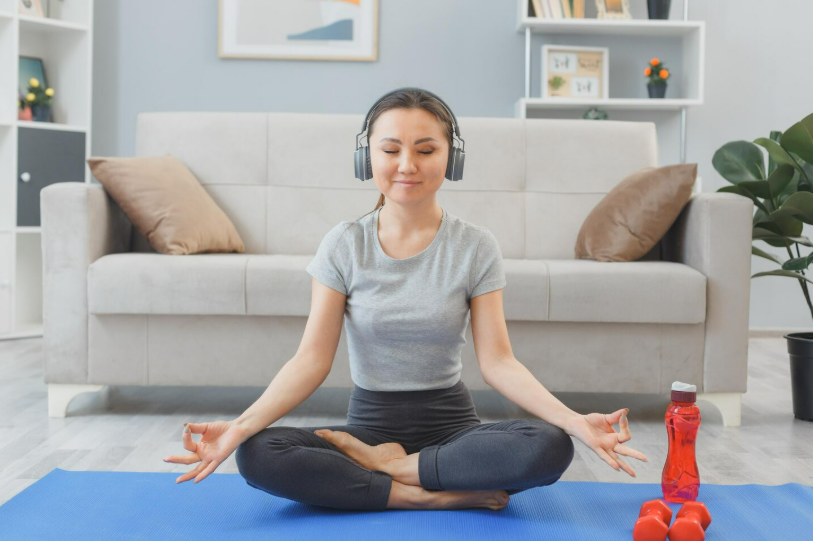
In today’s fast-paced world, chronic stress has become a silent epidemic. Most people live with an overactive stress and nervous system, constantly stuck in fight-or-flight mode. This prolonged activation leads to anxiety, burnout, fatigue, poor sleep, digestive problems, and even physical pain.
The good news is that you can actively reset your stress and nervous system using two highly effective, science-backed approaches: breathwork and somatic exercises. These practices work directly with your body to shift you from sympathetic (stress) dominance into parasympathetic (rest and digest) mode.
Unlike traditional meditation or talk therapy alone, breathwork and somatic exercises engage both the mind and body. They help release stored tension and trauma that often lives in the muscles and fascia. When practiced consistently, they can dramatically improve emotional regulation, reduce anxiety, enhance sleep quality, and build long-term nervous system resilience.
This comprehensive guide will explain the science behind nervous system regulation and provide practical, easy-to-follow techniques you can start using today.
Understanding the Stress Response and Nervous System
When you perceive a threat — whether it’s a work deadline, an argument, or constant notifications — your body activates the sympathetic nervous system. This triggers the release of stress hormones like cortisol and adrenaline. In short bursts, this response is helpful. However, when stress becomes chronic, the nervous system remains stuck in high alert.
Over time, the vagus nerve, which is responsible for activating the parasympathetic “rest and digest” state, becomes underactive. This imbalance is at the root of many modern health complaints. Breathwork and somatic exercises are among the fastest ways to stimulate the vagus nerve and restore balance to the stress and nervous system.
Transitioning from chronic stress to a regulated state doesn’t happen overnight. However, with consistent daily practice, you can retrain your nervous system to respond more calmly to life’s challenges.
Immediate Relief: Quick Breathwork Techniques
When stress hits suddenly, you need tools that work fast. These breathwork exercises can calm your stress and nervous system within minutes.
The Physiological Sigh This is one of the quickest ways to reduce anxiety. Take a deep inhale through the nose, followed by a quick second inhale to fully expand the lungs, then exhale slowly through the mouth. Repeat 3–5 times. Research shows this pattern rapidly lowers heart rate and activates the parasympathetic nervous system.
Box Breathing (4-4-4-4) Inhale for 4 seconds, hold for 4 seconds, exhale for 4 seconds, and hold again for 4 seconds. This simple pattern is used by Navy SEALs and high-performers to stay calm under pressure. Practice for 4–5 minutes whenever you feel overwhelmed.
4-7-8 Breathing Inhale quietly through the nose for 4 seconds, hold the breath for 7 seconds, and exhale through the mouth for 8 seconds. This technique is especially effective for reducing racing thoughts and preparing the body for sleep.
These quick techniques are excellent entry points because they require no equipment and can be done anywhere — at your desk, in traffic, or before an important meeting.
Releasing Stored Tension: Powerful Somatic Exercises
While breathwork calms the mind, somatic exercises help release physical tension stored in the body from years of chronic stress.
Progressive Muscle Relaxation (PMR) Start from your toes and slowly work your way up to your head. Tense each muscle group for 5 seconds, then release it completely. This practice helps discharge deep muscular tension and brings awareness to areas where you hold stress.
Therapeutic Tremoring Stand with your feet shoulder-width apart and gently shake your legs, hips, and upper body for 1–2 minutes. This natural tremor mechanism, known as Tension & Trauma Releasing Exercises (TRE), allows the body to release pent-up stress safely and effectively.
Neck and Shoulder Release Many people carry years of stress in the neck and shoulders. Slowly roll your shoulders backward and forward, then gently tilt your head from side to side while breathing deeply. This simple somatic movement can provide immediate relief from tension headaches and shoulder pain.
Butterfly Hug or Bilateral Tapping Cross your arms over your chest and gently tap alternate sides, or use a “butterfly hug.” This bilateral stimulation helps the brain process stored stress and promotes a feeling of safety.
Building Long-Term Nervous System Resilience
For lasting change, you need daily practices that gradually strengthen your nervous system’s ability to self-regulate.
Morning Grounding Routine Begin each day with the 5-4-3-2-1 grounding technique: name 5 things you see, 4 you can touch, 3 you can hear, 2 you can smell, and 1 you can taste. This brings you into the present moment and prevents anxiety from building up throughout the day.
Heart Coherence Breathing Breathe slowly at a rate of 5–6 breaths per minute while focusing on a positive emotion such as gratitude or love. This practice synchronizes the heart and brain rhythms, improving emotional regulation and nervous system balance.
Vagus Nerve Stimulation Simple actions like humming, singing, gargling, or making “lion’s breath” sounds stimulate the vagus nerve. Spend 1–2 minutes daily on these exercises to strengthen your body’s natural calming mechanism.
Many people find that combining breathwork with mindful daily habits significantly improves their ability to manage stress and nervous system activation. For proven mindful productivity practices that help reduce stress and improve focus, read this helpful guide: mindful productivity 7 daily practices.
Creating Your Personal Nervous System Reset Routine
Here’s a simple yet effective 15-minute daily routine you can follow:
Morning Reset (5 minutes)
- 2 minutes of Physiological Sighs
- 3 minutes of Box Breathing
Midday Reset (5 minutes)
- 5-4-3-2-1 Grounding technique
- Gentle neck and shoulder release
Evening Reset (5 minutes)
- Progressive Muscle Relaxation
- Heart Coherence Breathing
Start with this basic routine. As you become more comfortable, you can add therapeutic tremoring or vagus nerve stimulation.
Building resilience through consistent daily practices is essential for managing chronic stress. This article explores how to develop adaptability and avoid burnout in demanding environments: building learning resilience in an AI-augmented career.
Supporting Your Nervous System Holistically
Breathwork and somatic exercises work best when supported by foundational lifestyle habits:
- Prioritize 7–9 hours of quality sleep every night
- Stay well hydrated throughout the day
- Eat nutrient-dense meals that support brain and nervous system health
- Move your body daily with gentle exercise like walking or yoga
- Reduce excessive screen time, especially in the evening
For structured guidance on time management and practical tools to reduce stress and build resilience, explore this dedicated course: time and stress management skills.
Long-Term Benefits You Can Expect
After consistently practicing breathwork and somatic exercises for 4–8 weeks, most people experience:
- Significantly reduced anxiety and racing thoughts
- Deeper, more restorative sleep
- Better emotional regulation and fewer mood swings
- Decreased physical tension and chronic pain
- Improved focus, mental clarity, and overall sense of calm
- Greater resilience when facing daily stressors
Final Thoughts
Resetting your stress and nervous system is one of the most empowering things you can do for your health and well-being. You don’t need expensive tools or hours of free time. Just 10–15 minutes a day of intentional breathwork and somatic exercises can create profound changes.
Start small. Choose two or three practices from this guide and commit to them for the next 30 days. Be patient and gentle with yourself — healing the nervous system is a gradual process.
Your body and mind have an incredible capacity to heal and adapt. By giving your stress and nervous system the right signals through breathwork and somatic work, you can move from a state of chronic stress to one of calm, clarity, and resilience.
The journey to a regulated nervous system begins with a single breath. Take that breath today.












Post Comment