The Beginner’s Guide to Building Sustainable Exercise Habits
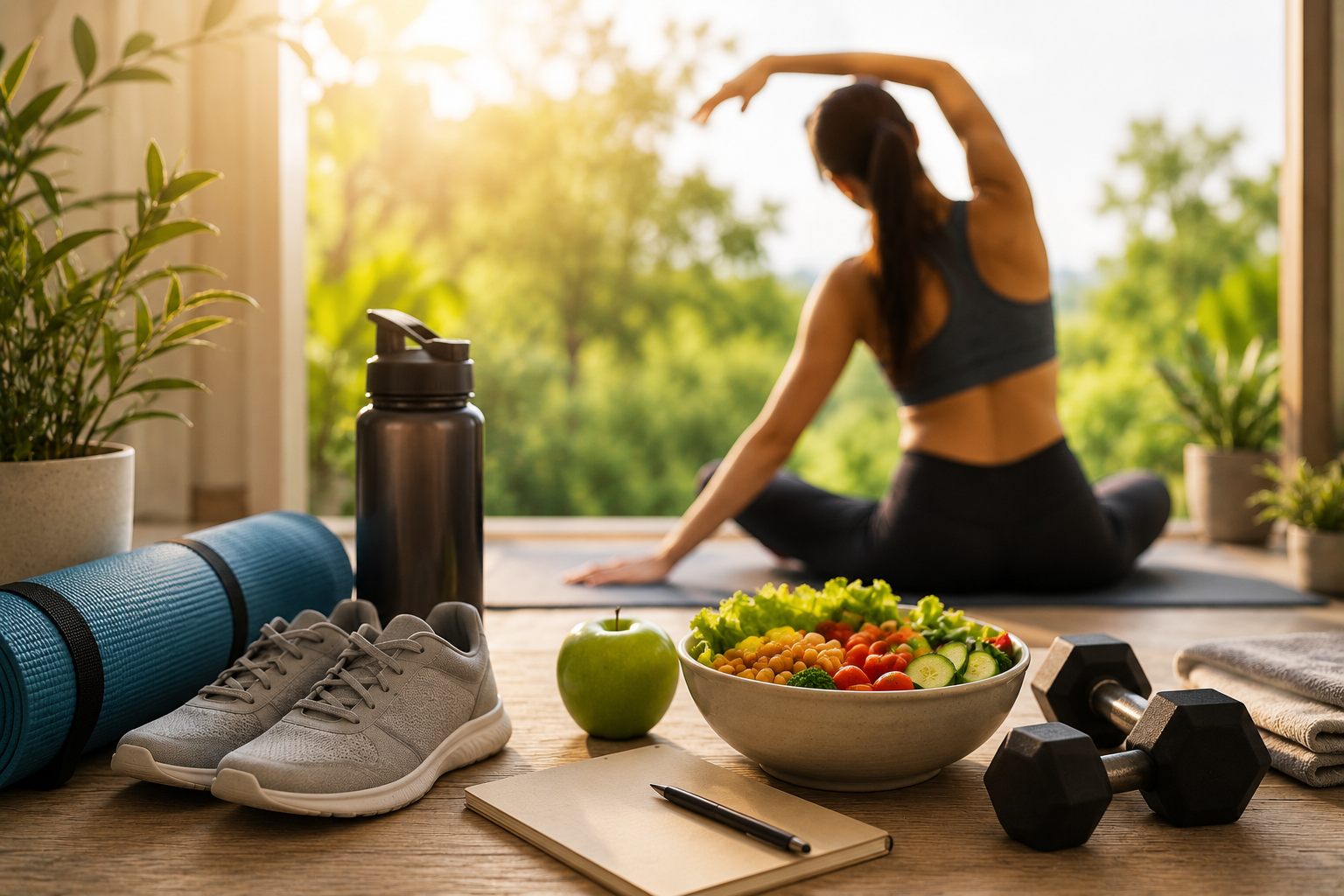
Sustainable exercise habits are the foundation of long-term fitness, health, and well-being. Most beginners start with high motivation but quit within weeks because they rely on short-term willpower instead of building systems that last. True success comes from creating habits that feel natural, enjoyable, and realistic within a busy lifestyle.
In this comprehensive beginner’s guide, you’ll discover proven strategies to build sustainable exercise habits that stick for months and years — not just days. Whether you’re completely new to fitness or have struggled with consistency in the past, these practical approaches will help you create lasting change.
Why Most Exercise Habits Fail
The main reason people fail at exercise is not lack of knowledge — it’s lack of sustainability. They set unrealistic goals, follow overly intense programs, and expect perfect motivation every day. When life gets busy or motivation drops, they quit.
Sustainable exercise habits are built differently. They focus on small, consistent actions, enjoyment, and systems rather than willpower. They adapt to real life instead of assuming perfect conditions.
The Mindset Shift You Need
The most important step in building sustainable exercise habits is shifting from a goal-based mindset to an identity-based mindset. Stop thinking “I want to exercise more” and start thinking “I am someone who moves my body regularly.”
This subtle identity shift, backed by James Clear’s research in Atomic Habits, creates powerful internal motivation that lasts far longer than external pressure.
Step-by-Step Framework for Building Sustainable Exercise Habits
1. Start Ridiculously Small
The biggest mistake beginners make is starting too big. Begin with habits so small they are impossible to fail.
Examples:
- Instead of “exercise 5 days a week,” start with “put on workout clothes every morning.”
- Instead of “workout for 45 minutes,” commit to just 5–10 minutes of movement.
This technique lowers resistance and builds momentum through consistency.
2. Choose Activities You Genuinely Enjoy
Sustainable exercise habits must be enjoyable. If you hate running, don’t force it. Experiment with different forms — walking, yoga, dancing, swimming, weight training, cycling, or sports — until you find what feels good.
Enjoyment is one of the strongest predictors of long-term adherence.
3. Focus on Consistency Over Intensity
Consistency beats intensity every single time. Doing light to moderate exercise 4–5 days a week is far more effective than intense workouts 2 days a week followed by quitting.
Aim to show up regularly rather than pushing your limits in every session.
4. Schedule Exercise Like an Important Meeting
Treat your workouts as non-negotiable appointments with yourself. Block the time in your calendar and protect it.
Busy professionals who succeed with sustainable exercise habits often exercise early in the morning before the day’s chaos begins.
5. Use Habit Stacking
Attach your new exercise habit to an existing daily routine. For example:
- After I drink my morning coffee, I will do 10 minutes of stretching.
- After I finish dinner, I will go for a 15-minute walk.
This technique dramatically increases success rates.
Sustainable exercise habits become much easier when combined with overall lifestyle balance. For practical tips on fostering well-being while managing a busy schedule, read this helpful guide: balancing act fostering well-being in the modern work environment.
Nutrition Support for Sustainable Exercise Habits
Exercise and nutrition work hand in hand. Focus on:
- Eating enough protein (1.6–2.2g per kg of body weight)
- Staying well hydrated
- Getting 7–9 hours of quality sleep
- Including recovery days
Proper nutrition makes consistent exercise much easier and more enjoyable.
Here are some of the best practical tips for programmers and busy professionals to live a healthy lifestyle while maintaining sustainable exercise habits: 5 tips programmers live healthy lifestyle.
Sample Beginner-Friendly Weekly Schedule
Monday: 30-minute brisk walk + basic bodyweight strength
Tuesday: Rest or gentle yoga/stretching
Wednesday: 25–30 minute full-body strength session
Thursday: Rest or light evening walk
Friday: 30-minute cardio (cycling, swimming, or dancing)
Saturday: Fun activity (hiking, sports, or outdoor movement)
Sunday: Active recovery + mobility work
This schedule is realistic for busy professionals and helps build sustainable exercise habits without burnout.
Overcoming Common Obstacles
Obstacle 1: Lack of Time
Solution: Use short, effective 15–25 minute workouts and schedule them like important meetings.
Obstacle 2: Loss of Motivation
Solution: Build systems and habits instead of relying on motivation. Remember your “why” regularly.
Obstacle 3: Plateaus
Solution: Gradually increase challenge (progressive overload) and vary your routine to prevent boredom.
Obstacle 4: Injury or Burnout
Solution: Prioritize recovery, listen to your body, and include mobility and rest days.
For expert guidance on nutrition, recovery, and creating sustainable exercise habits that last, this comprehensive certification is highly recommended: diet and nutrition coach certification beginner to advanced.
Measuring Success Beyond the Scale
Don’t judge your progress only by weight. Track:
- Energy levels and mood
- Sleep quality
- Strength gains and endurance
- Consistency (how many days you showed up)
- How your clothes fit
- Overall sense of well-being
Final Thoughts
Sustainable exercise habits are built through small, consistent actions repeated over time. You don’t need to be perfect. You just need to keep showing up.
Start today with one small change. Maybe it’s a 10-minute walk after dinner or putting on workout clothes first thing in the morning. Build from there. Be patient with yourself. Real, lasting change takes months, not days.
The goal isn’t to transform your body in 30 days. The goal is to become someone who naturally moves their body and takes care of their health for life.
You have everything you need to succeed. Start building your sustainable exercise habits today — your future self will thank you.











Post Comment