Mobility & Fascia Training: Daily Routines to Stay Pain-Free
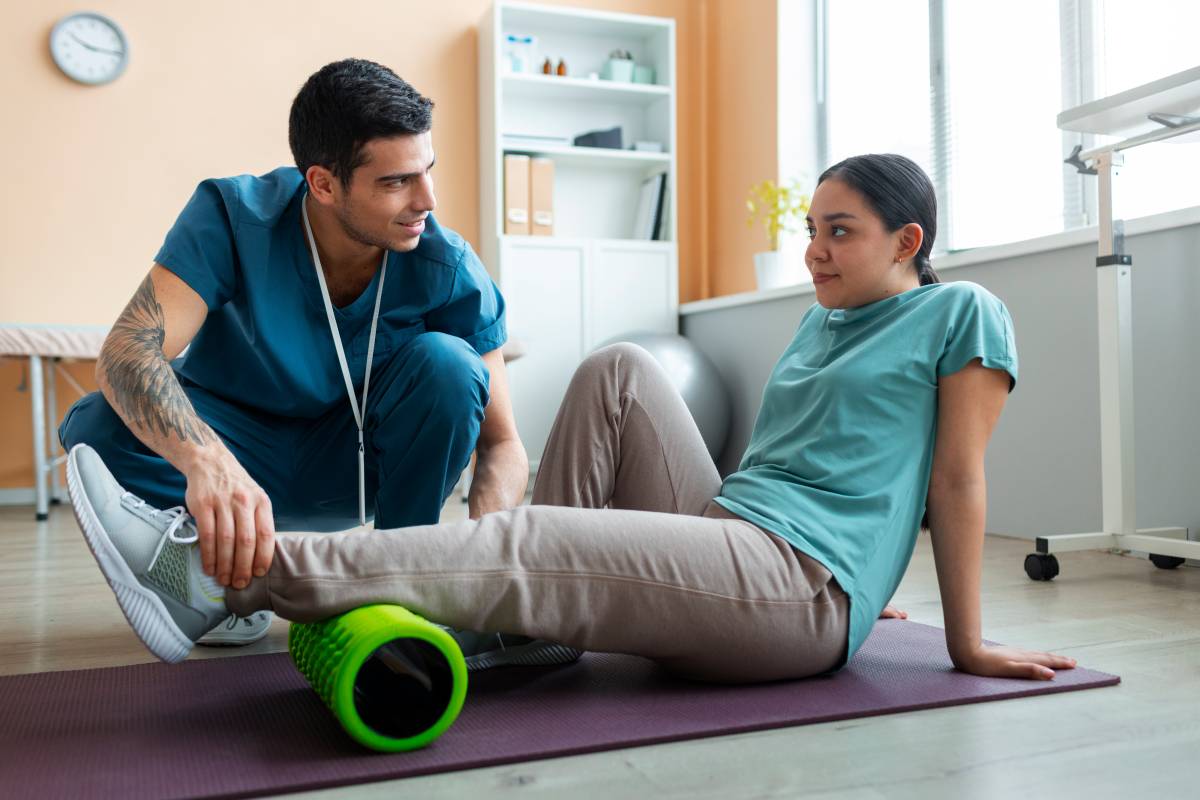
Mobility training is quickly becoming one of the most important fitness trends in 2026. As people become more aware of how poor movement patterns, desk work, and aging affect the body, fascia training and daily mobility routines are gaining massive popularity. Unlike traditional strength training that focuses on building muscle, mobility training targets how well your body moves, how your fascia (connective tissue) functions, and how to stay pain-free for the long term.
Fascia is the web-like connective tissue that surrounds muscles, organs, and joints. When it becomes tight or restricted due to sitting, stress, or repetitive movements, it can cause stiffness, pain, and reduced performance. The good news is that with consistent, simple daily routines, you can improve mobility, release tight fascia, and significantly reduce pain.
This guide will show you why mobility training is rising in popularity and give you practical, easy-to-follow daily routines to stay pain-free and move better.
Here are 12 effective strategies and routines for mobility training and fascia health:
- Understand the Importance of Fascia Fascia is not just “packaging” for muscles — it’s a living, dynamic system that transmits force and stores energy. When fascia is healthy, movement feels smooth and pain-free. When it’s tight or dehydrated, it restricts motion and causes discomfort. Daily mobility training helps keep fascia supple and hydrated.
- Start Your Day with 5–10 Minutes of Gentle Mobility Begin each morning with simple movements: neck circles, shoulder rolls, cat-cow pose, hip openers, and ankle rotations. This short routine wakes up the body, improves circulation, and sets a pain-free tone for the day.
- Focus on Thoracic Spine Mobility Many people lose mobility in the upper back due to prolonged sitting. Daily thoracic rotations and extensions are essential. Perform 10–15 reps of seated or standing thoracic twists every day to improve posture and reduce neck/shoulder pain.
- Incorporate Hip and Ankle Mobility Work Tight hips and ankles are common causes of lower back and knee pain. Include daily hip flexor stretches, pigeon pose variations, and ankle dorsiflexion drills. Better hip and ankle mobility improves walking, running, and overall movement quality.
- Use Foam Rolling and Self-Myofascial Release Spend 5–10 minutes daily foam rolling major muscle groups, especially the IT band, quads, calves, and upper back. This helps release adhesions in the fascia and improves blood flow.
Many people combine mobility training with recovery methods like sports massage to reduce pain and improve movement. For a detailed look at how sports massage helps with pain relief and recovery, read this article: the benefits of sports massage for pain relief.
- Practice Dynamic Stretching Before Activity Use dynamic stretches (leg swings, arm circles, walking lunges with rotation) before workouts or long periods of sitting. Dynamic mobility prepares the body for movement and reduces injury risk.
- Add Breathwork to Your Mobility Routine Combine deep breathing with mobility exercises. Inhale deeply as you move into a stretch and exhale as you deepen it. This helps release tension in the fascia and improves the effectiveness of your routine.
- Stay Consistent with Short Daily Sessions Consistency beats intensity. Even 10–15 minutes of daily mobility training produces better long-term results than occasional long sessions. Make it a non-negotiable part of your day, like brushing your teeth.
- Focus on Areas You Use the Most If you sit a lot, prioritize hip flexors, thoracic spine, and shoulders. If you run or lift, focus on calves, hamstrings, and glutes. Targeted mobility work gives the fastest relief from pain and stiffness.
- Combine Mobility with Strength Training Mobility without strength can lead to instability. Pair mobility drills with light strength exercises (bodyweight squats, glute bridges, push-ups) for balanced development. This combination improves both flexibility and stability.
- Track Your Progress Weekly Take note of how your body feels, range of motion, and pain levels every week. Small improvements in mobility often lead to big reductions in pain. Tracking keeps you motivated and helps you adjust your routine.
- Support Mobility with Proper Nutrition and Recovery Mobility training works best when supported by good nutrition and recovery. Focus on anti-inflammatory foods, adequate protein, hydration, and quality sleep. For a structured, professional-level education in diet and nutrition that supports mobility, recovery, and overall performance, explore this comprehensive certification: diet and nutrition coach certification beginner to advanced.
The shift toward consistent daily habits is also transforming how we approach learning and personal development. This insightful post explores the move from occasional courses to true continuous learning in 2026: shift from courses to continuous learning 2026.
Mobility training and fascia work are rising in popularity because they deliver real, noticeable results: less pain, better movement, and improved quality of life. The best part is that you don’t need fancy equipment or hours in the gym — just 10–20 minutes a day of consistent practice.
Start today with one or two simple routines. Over time, these small daily habits will help you move better, feel better, and stay pain-free for years to come.
Your body is designed to move freely. Give it the attention it deserves through consistent mobility training.














Post Comment