Science-Backed Sleep Optimization Hacks for Better Recovery
Introduction
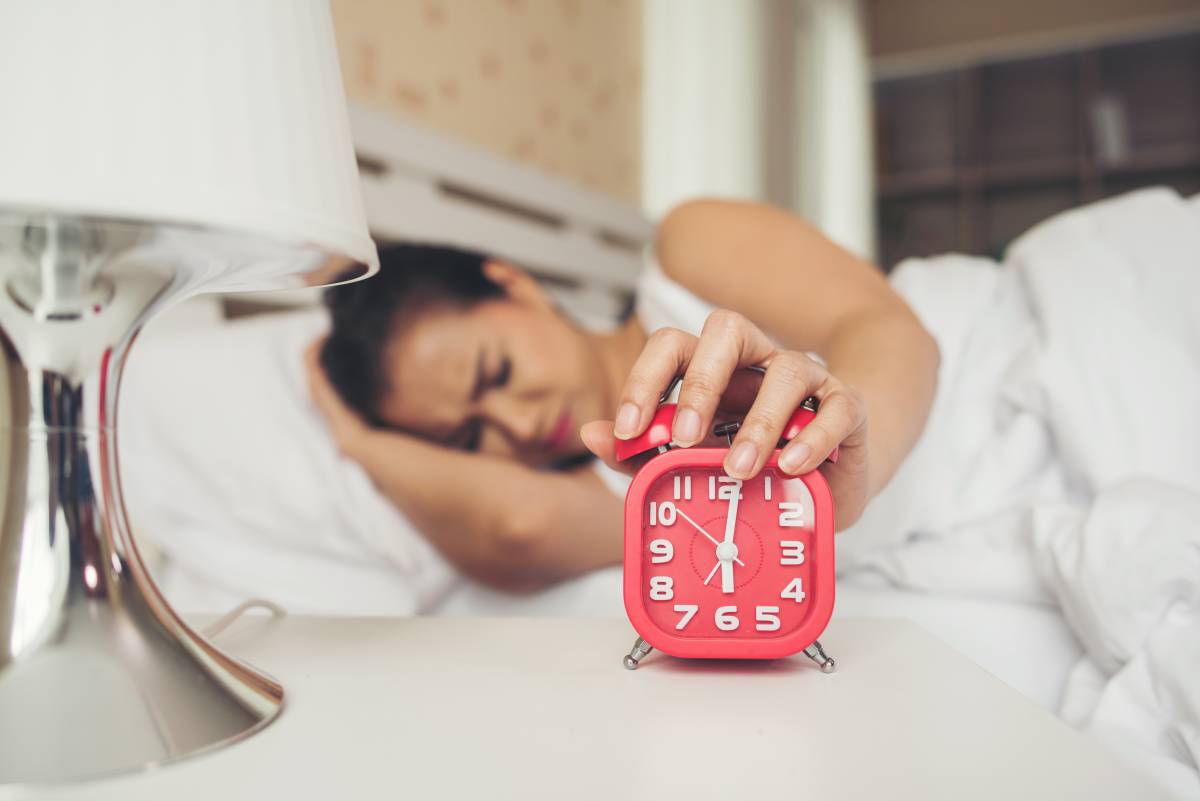
Quality sleep is the foundation of health, performance, and longevity. Yet in today’s fast-paced world, many people struggle with falling asleep, staying asleep, or waking up refreshed. Poor sleep doesn’t just make you tired — it impairs cognitive function, weakens immunity, slows muscle recovery, and accelerates aging.
The good news is that science-backed sleep optimization hacks can dramatically improve your sleep quality and recovery. You don’t need expensive gadgets or drastic lifestyle overhauls. Small, consistent changes in routines and habits can lead to noticeable improvements in energy, mood, and performance.
This comprehensive guide shares practical, evidence-based strategies to optimize your sleep and enhance recovery.
Here are 12 science-backed sleep optimization hacks you can start implementing today:
- Fix Your Sleep Schedule: Going to bed and waking up at roughly the same time every day — even on weekends — is one of the most powerful things you can do for sleep quality. Consistent timing strengthens your circadian rhythm, making it easier to fall asleep and wake up naturally. Studies show that maintaining a regular sleep schedule can improve sleep efficiency by up to 25%.
- Optimize Your Evening Light Exposure Blue light from screens suppresses melatonin production. Stop using bright screens at least 60–90 minutes before bed. Use blue-light blocking glasses or enable night mode if you must use devices. Dim the lights in your home after sunset to signal to your body that it’s time to wind down.
- Create a Cool, Dark, and Quiet Sleep Environment Your bedroom should be cool (16–19°C / 60–67°F), completely dark, and quiet. Use blackout curtains, earplugs, or white noise machines if needed. A cooler room promotes deeper sleep stages, while darkness helps maintain high melatonin levels throughout the night.
- Develop a Consistent Wind-Down Routine Give your nervous system a clear signal that it’s time to relax. A 30–60 minute wind-down routine (reading, light stretching, journaling, or meditation) can significantly improve sleep onset. Avoid stimulating activities like intense exercise, heavy meals, or emotional conversations close to bedtime.
- Watch Your Caffeine and Alcohol Intake Caffeine has a half-life of 5–6 hours, so avoid it after 2–3 pm. Alcohol may help you fall asleep faster but fragments sleep later in the night, reducing deep and REM stages. Limit alcohol and cut caffeine earlier in the day for noticeably better recovery.
Science-backed sleep optimization isn’t just about what you do at night — it’s also influenced by your daily habits and lifestyle. For practical strategies on fostering overall well-being and creating better daily routines that support quality sleep, read this helpful guide: balancing act fostering well-being in the modern work environment.
- Incorporate Daily Movement Regular physical activity improves sleep quality, but timing matters. Avoid intense workouts within 2–3 hours of bedtime. Morning or afternoon exercise is ideal. Even a 30-minute daily walk can significantly enhance sleep depth and duration.
- Manage Stress Before Bed High cortisol levels interfere with sleep. Practice relaxation techniques such as deep breathing, progressive muscle relaxation, or journaling to offload worries. A short gratitude or brain-dump journal can clear mental clutter and prepare your mind for rest.
Reflection turns occasional learning into real growth, but the real game-changer is shifting your entire approach from sporadic courses to true daily continuous learning. This insightful post explores exactly how to make that mental and practical transition in 2026 and beyond: shift from courses to continuous learning 2026.
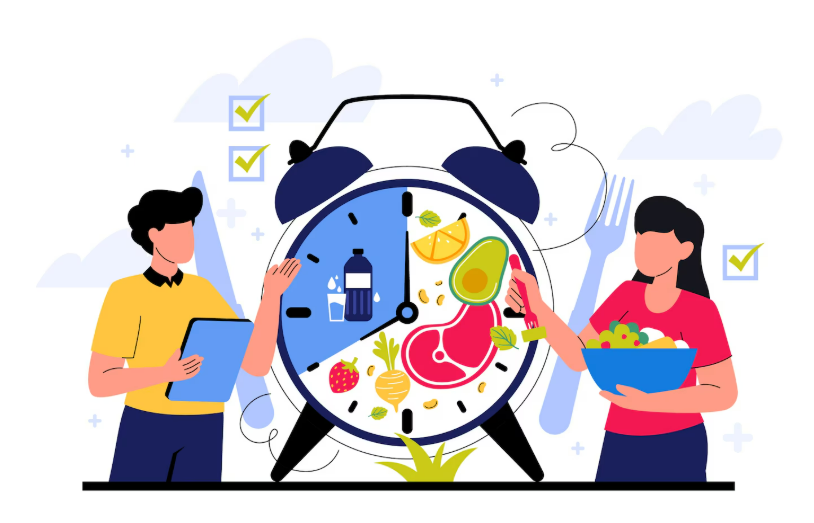
- Optimize Your Nutrition for Sleep Avoid heavy or spicy meals close to bedtime. Include sleep-supporting nutrients like magnesium, glycine, and tryptophan in your evening routine. Foods such as tart cherry, kiwi, almonds, and herbal teas (chamomile, valerian) have science-backed benefits for better sleep.
- Use Temperature Regulation Your core body temperature needs to drop slightly to initiate sleep. Take a warm shower 60–90 minutes before bed — the subsequent drop in body temperature signals sleep readiness. Keep your bedroom cool for deeper, more restorative sleep.
- Limit Naps Strategically Short naps (10–20 minutes) can boost alertness without interfering with nighttime sleep. Avoid long naps late in the afternoon. If you struggle with insomnia, skipping naps may improve nighttime sleep pressure.
- Track and Measure Your Sleep Use a wearable device (Oura Ring, Whoop, or Apple Watch) or a simple sleep diary to understand your patterns. Track sleep duration, deep sleep, REM, and how you feel upon waking. Data helps you identify what works and what doesn’t for your unique body.
- Be Consistent and Patient Sleep optimization is a long-term game. Small daily improvements compound over weeks and months. Be patient and consistent rather than chasing perfection. Most people notice significant improvements within 2–4 weeks of implementing better sleep habits.
For a structured, professional-level education in diet and nutrition that supports better sleep, recovery, and overall performance (including meal timing and key nutrients), explore this comprehensive program: diet and nutrition coach certification beginner to advanced.
Sleep optimization hacks are most effective when they become part of your lifestyle rather than occasional experiments. Start with just 2–3 changes that feel manageable — perhaps fixing your sleep schedule and creating a wind-down routine.
Within a few weeks, you’ll likely notice better energy, sharper focus, improved mood, and faster recovery. Quality sleep is one of the highest-leverage things you can improve for both health and performance.
Prioritize your sleep. Protect your recovery. Your body and mind will reward you with sustained energy and resilience.











Post Comment