Managing Blood Sugar Naturally: Low-Glycemic Indian Meals

Blood sugar management has become one of the most important health priorities today. With rising cases of prediabetes and type 2 diabetes, especially among Indians, many people are looking for natural, sustainable ways to keep their blood sugar stable without relying solely on medication.
The good news is that Indian cuisine is naturally rich in ingredients that support healthy blood sugar levels. By focusing on low-glycemic Indian meals and snacks, you can enjoy delicious food while maintaining steady energy, reducing cravings, and supporting long-term health.
This guide provides practical meal prep ideas, easy recipes, and smart strategies to manage blood sugar naturally using traditional Indian ingredients and cooking methods.
Here are 12 practical tips followed by 5 complete daily meal plans for managing blood sugar with low-glycemic Indian meals and snacks:
- Understand the Glycemic Index The glycemic index (GI) measures how quickly a food raises blood sugar. Choose foods with a low GI (below 55) to avoid spikes. Many traditional Indian foods like whole dals, millets, vegetables, and spices naturally have a low GI.
- Prioritize Protein and Fiber in Every Meal Combining protein and fiber with carbohydrates slows down digestion and prevents sharp blood sugar rises. Include dal, paneer, curd, nuts, seeds, and plenty of vegetables in every meal.
- Use Whole Grains and Millets Instead of Refined Flour Replace white rice and maida with brown rice, quinoa, jowar, bajra, ragi, or barley. These have a much lower glycemic load. Ragi roti or jowar bhakri are excellent low-glycemic alternatives to regular chapati.
- Incorporate Healthy Fats Add ghee, olive oil, nuts, seeds, and avocado to meals. Healthy fats slow down the absorption of carbohydrates. A handful of almonds or a teaspoon of ghee in dal can significantly improve blood sugar response.
- Choose Low-Glycemic Indian Snacks Keep healthy snacks ready: roasted chana, sprouts chaat, cucumber with chaat masala, Greek yogurt with spices, or a small bowl of dalia upma. These options prevent energy crashes and unnecessary sugar cravings.
For many people, managing blood sugar naturally becomes easier when combined with overall lifestyle balance and stress management. For practical tips on fostering well-being in the modern work environment while supporting healthy habits, read this guide: balancing act fostering well-being in the modern work environment.
- Use Traditional Indian Spices Liberally Spices like cinnamon, fenugreek seeds, turmeric, cumin, and ginger have natural blood sugar-lowering properties. Add them generously to dals, sabzis, and even tea for both flavor and health benefits.
- Practice Portion Control with Traditional Thali Concept The traditional Indian thali is a perfect example of balanced eating — small portions of multiple items. Use this concept while meal prepping to maintain balanced macronutrients.
- Stay Hydrated with Infused Water or Buttermilk Dehydration can affect blood sugar levels. Drink plenty of water, infused with lemon or cumin, or have spiced buttermilk (chaas) between meals.
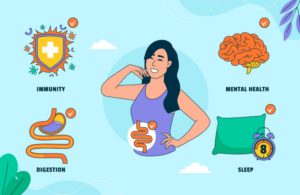
- Include Fermented Foods Daily Idli, dosa, curd, and homemade pickles are excellent sources of probiotics that support gut health and improve blood sugar regulation.
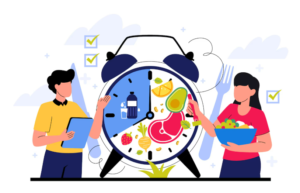
- Time Your Meals Consistently Eating at regular intervals helps stabilize blood sugar. Avoid long gaps or late-night eating. A consistent meal schedule is one of the simplest yet most effective ways to manage blood sugar naturally.
- Monitor and Adjust Based on How You Feel Everyone’s body responds differently. Keep a simple food diary noting energy levels and hunger after meals. Adjust portions or combinations accordingly.
Many busy professionals are now using AI tools to create personalized meal plans that help manage blood sugar effectively. For a step-by-step guide on building your own AI-powered health planner, see this practical tutorial: crafting a health planner with AI.
- Seek Professional Guidance When Needed If you have diabetes, prediabetes, or hormonal issues, consult a doctor or certified nutrition coach before making major dietary changes. For structured, professional-level education in diet and nutrition that covers blood sugar management, low-glycemic eating, and personalized strategies, explore this comprehensive certification: diet and nutrition coach certification beginner to advanced.
5 Ready-to-Use High-Protein, Low-Glycemic Meal Prep Plans
Plan 1: Classic Balanced Thali Style
- Breakfast: Ragi porridge with almonds and a boiled egg
- Lunch: Dal, brown rice, sabzi, curd, and salad
- Dinner: Grilled paneer tikka with roti and greens
- Snack: Roasted makhana or sprouts chaat
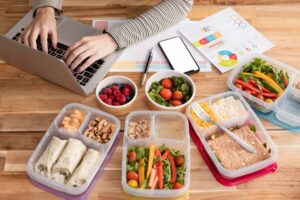
Plan 2: Quick Office-Friendly
- Breakfast: Besan chilla with mint chutney
- Lunch: Chicken or paneer salad with lots of vegetables
- Dinner: Moong dal khichdi with ghee and veggies
- Snack: Greek yogurt with cucumber and spices
Plan 3: Vegetarian High-Fiber
- Breakfast: Overnight chia pudding with nuts
- Lunch: Rajma salad or chana chaat
- Dinner: Vegetable stir-fry with millet roti
- Snack: Apple with peanut butter or roasted chickpeas
Plan 4: South Indian Style
- Breakfast: Idli with sambar and coconut chutney
- Lunch: Curd rice (with brown rice) and vegetable poriyal
- Dinner: Fish or paneer curry with quinoa
- Snack: Buttermilk or tender coconut water
Plan 5: Quick & Minimal Cooking
- Breakfast: Egg bhurji with spinach
- Lunch: Leftover sabzi + dal + millet roti
- Dinner: Grilled chicken or paneer with salad
- Snack: Handful of mixed nuts or roasted chana
Managing blood sugar naturally through low-glycemic Indian meals and snacks is one of the most effective and sustainable approaches. Start with small changes — swap white rice for millets, add more vegetables and protein, and prepare meals in advance.
Consistency is more important than perfection. Over time, these meal prep ideas will help you maintain stable energy, reduce cravings, and support long-term health.
Your health is in your hands — one mindful meal at a time.










Post Comment