Longevity Training: Best Exercises to Increase Health span
Longevity training is not about chasing extreme fitness or living as long as possible at any cost. It’s about increasing your health span — the number of years you live in good health, with strength, mobility, mental clarity, and independence.
While average lifespan has increased, healthspan has not kept pace. Many people spend their later decades dealing with frailty, chronic pain, and loss of independence. The goal of longevity training is to compress morbidity — to stay strong, mobile, and capable for as long as possible.
This guide focuses on the best evidence-based exercises and training principles for longevity training after age 40, with special attention to muscle preservation, joint health, metabolic function, and injury prevention.
Here are 12 key strategies for effective longevity training:
- Prioritize Strength Training 3–4 Times Per Week Muscle mass naturally declines after age 30 (sarcopenia). Resistance training is the most effective way to slow or reverse this process. Focus on compound movements: squats, deadlifts (Romanian or trap-bar), bench press, rows, and overhead presses. Use moderate to heavy weights with controlled form. Aim for 6–12 reps per set. Strength training is the cornerstone of longevity training because it preserves muscle, bone density, and metabolic rate.
- Include Progressive Overload Safely Gradually increase weight, reps, or difficulty over time. However, after 40, recovery capacity decreases, so progress more conservatively than in your 20s. Add weight only when you can complete all sets with perfect form. This approach builds strength while minimizing injury risk.
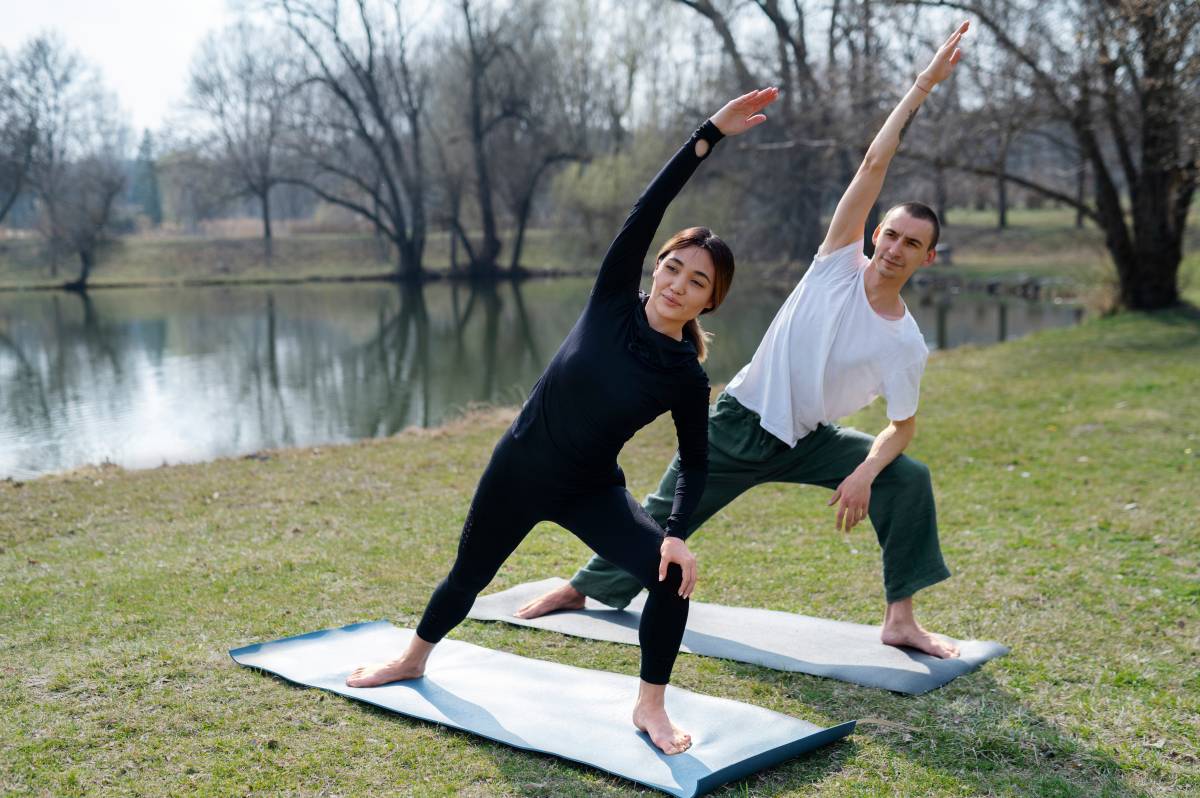
- Train for Mobility and Joint Health Dedicate time to mobility work and dynamic stretching. Include exercises like hip openers, thoracic rotations, and shoulder dislocates. Good mobility reduces injury risk and improves quality of life. Yoga, Pilates, or dedicated mobility routines 2–3 times per week are highly beneficial for long-term joint health.
- Incorporate Zone 2 Cardio Low-intensity steady-state cardio (Zone 2) improves mitochondrial function and cardiovascular health without excessive stress. Aim for 150–180 minutes per week at a conversational pace (you can talk but not sing). This type of training is excellent for fat oxidation and endurance — key markers of healthspan.
- Add Power and Balance Training After 40, power (speed + strength) and balance decline faster than raw strength. Include exercises like medicine ball slams, kettlebell swings, single-leg stands, and agility drills. These movements improve reaction time and reduce fall risk, which becomes increasingly important with age.
For leaders and professionals, building resilience through consistent training and lifestyle habits is becoming essential. To understand why longevity training and resilience are critical entrepreneurial skills in 2025 and beyond, read this insightful guide: building resilience entrepreneur skill 2025.
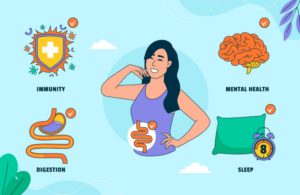
- Focus on Recovery and Sleep Recovery is where actual adaptations happen. Prioritize 7–9 hours of quality sleep and include active recovery days. Use tools like sauna, cold exposure, or foam rolling to enhance recovery. Poor sleep dramatically reduces training adaptations and increases injury risk.
- Pay Attention to Nutrition for Muscle Preservation After 40, the body is less efficient at building muscle. Aim for 1.6–2.2 grams of protein per kg of body weight daily, spread across meals. Include leucine-rich sources (whey, eggs, beef) and consider creatine supplementation (5g daily), which is safe and effective for older adults.
- Train Smart — Not Just Hard Avoid ego lifting and excessive volume. Focus on consistent, intelligent training with proper warm-ups and cool-downs. Quality movement with good form is far more important than lifting heavy weights at the expense of technique.
- Incorporate Breathwork and Stress Management Chronic stress accelerates aging. Daily breathwork (box breathing, nasal breathing) or short meditation sessions can lower cortisol and improve recovery. A calm nervous system supports better training adaptations and overall healthspan.
- Track Progress Beyond Aesthetics Measure strength, mobility, energy levels, and how you feel day-to-day — not just scale weight or mirror appearance. Functional fitness (ability to move well in daily life) is the true goal of longevity training.
The modern work environment places unique demands on our physical and mental resilience. For practical strategies on fostering well-being while staying active and productive, read this guide: balancing act fostering well-being in the modern work environment.
- Stay Consistent Over Perfection Consistency beats intensity. Missing a workout occasionally is normal — the key is getting back on track quickly. Longevity training is a marathon, not a sprint. Sustainable habits win over dramatic short-term efforts.
- Consider Professional Guidance Working with a coach experienced in training clients over 40 can help you avoid injuries and optimize your program. Proper programming tailored to your body, goals, and limitations is one of the best investments in your healthspan.
For a structured, professional-level education in diet and nutrition that supports longevity training, muscle preservation, and healthy aging, explore this comprehensive certification: diet and nutrition coach certification beginner to advanced.
Longevity training is about training smarter, not necessarily harder. By focusing on strength, mobility, recovery, and proper nutrition, you can maintain muscle mass, joint health, and vitality well into your later decades.
Start today with small, consistent changes. Add one or two strategies from this list to your routine. Over time, these habits will compound into noticeable improvements in strength, energy, and quality of life.
Your future self — strong, mobile, and independent — is counting on the actions you take now.









Post Comment