Intermittent Fasting for Women Over 35
Introduction
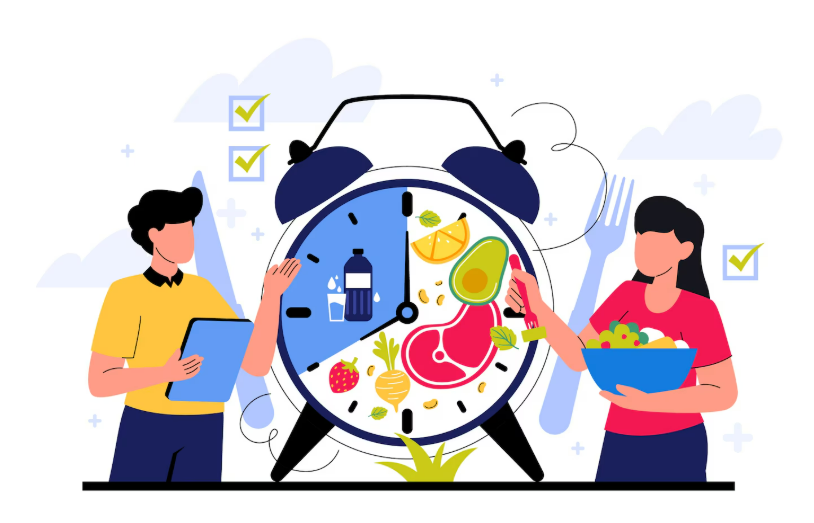
Intermittent fasting has gained massive popularity as a tool for weight management, metabolic health, and longevity. However, for women over 35, the approach needs to be more thoughtful due to fluctuating hormones, perimenopause, and changing metabolic needs. Done correctly, intermittent fasting can support fat loss, improve insulin sensitivity, and boost energy — but done incorrectly, it can disrupt hormones, increase stress, and lead to fatigue or stalled progress.
This guide provides hormone-friendly intermittent fasting strategies specifically tailored for women over 35, focusing on safety, sustainability, and long-term benefits.
Here are 12 practical, science-informed strategies to practice intermittent fasting successfully after 35:
- Understand Your Hormonal Landscape After age 35, estrogen and progesterone levels begin to fluctuate. These hormones influence metabolism, hunger signals, and stress response. Aggressive fasting windows can increase cortisol and disrupt thyroid function in sensitive women. Start gently and listen to your body. The goal is to work with your hormones, not against them.
- Choose a Gentle Fasting Window Instead of extreme 18:6 or 20:4 protocols, most women over 35 do best with a 12–14 hour overnight fast (e.g., eating between 10 AM and 8 PM). This gentler approach supports fat burning while minimizing stress on the endocrine system.
- Prioritize Protein at Every Meal Adequate protein helps preserve muscle mass and stabilizes blood sugar — both critical during hormonal shifts. Aim for 25–35g of protein per meal. Include high-quality sources like eggs, Greek yogurt, fish, chicken, or plant-based options with complete amino acids.
- Focus on Nutrient-Dense Foods During your eating window, emphasize whole foods rich in fiber, healthy fats, and micronutrients. Leafy greens, berries, avocados, nuts, seeds, and fatty fish support hormone production and reduce inflammation. Avoid highly processed foods that can worsen hormonal symptoms.
- Stay Well Hydrated Hydration becomes even more important during fasting. Aim for 3–4 liters of water daily and consider adding electrolytes (sodium, potassium, magnesium) to prevent headaches and fatigue.
For many women, intermittent fasting works best when combined with overall lifestyle balance. For practical strategies on fostering well-being while managing hormones and stress in modern life, read this helpful guide: balancing act fostering well-being in the modern work environment.
- Incorporate Strength Training Resistance training 3–4 times per week helps maintain muscle mass and supports metabolic health during intermittent fasting. Focus on compound movements like squats, deadlifts, rows, and presses. Muscle is metabolically active and helps counteract age-related slowdowns.
- Monitor Your Cycle and Adjust Accordingly Many women find they tolerate fasting better during the follicular phase (first half of the cycle) and need more flexibility during the luteal phase or perimenopause. Track your cycle and adjust fasting windows based on how you feel. Flexibility is key for hormone-friendly intermittent fasting.
- Include Healthy Fats Healthy fats support hormone production, especially during perimenopause. Add avocados, olive oil, nuts, seeds, and fatty fish to your meals. Don’t fear fat — it helps keep you satiated during fasting windows.
- Manage Stress Levels High stress can make intermittent fasting counterproductive by elevating cortisol. Incorporate daily stress-reduction practices like walking, meditation, or deep breathing. A calm nervous system supports better hormonal balance and fasting tolerance.
- Get Enough Sleep Poor sleep disrupts hunger hormones and increases cravings. Prioritize 7–9 hours of quality sleep nightly. Good sleep enhances the benefits of intermittent fasting and supports overall hormone health.
For deeper insights into how personal development and healthy habits contribute to long-term success, including better energy and hormonal balance, explore this article: how personal growth leads to professional growth.
- Consider Professional Guidance If you have thyroid issues, PCOS, or other hormonal conditions, consult a doctor or registered dietitian before starting intermittent fasting. Personalized guidance ensures safety and effectiveness.
- Track How You Feel, Not Just the Scale Monitor energy, mood, sleep quality, and menstrual symptoms rather than weight alone. Adjust your approach based on real feedback from your body. Sustainable intermittent fasting should make you feel better, not worse.
For a structured, professional-level education in diet and nutrition that covers hormone-friendly eating, meal timing, and personalized strategies for women, explore this comprehensive certification: diet and nutrition coach certification beginner to advanced.
Intermittent fasting for women over 35 can be safe and effective when approached with care, flexibility, and attention to individual needs. Start gently, listen to your body, and prioritize nutrient-dense foods, strength training, and recovery.
The goal is sustainable health and energy — not perfection. With the right adjustments, intermittent fasting can become a powerful tool for feeling your best at any age.
Take it one step at a time. Your body will guide you if you pay attention.












Post Comment