The Korean Practice of Meong: Mindfulness Made Easy
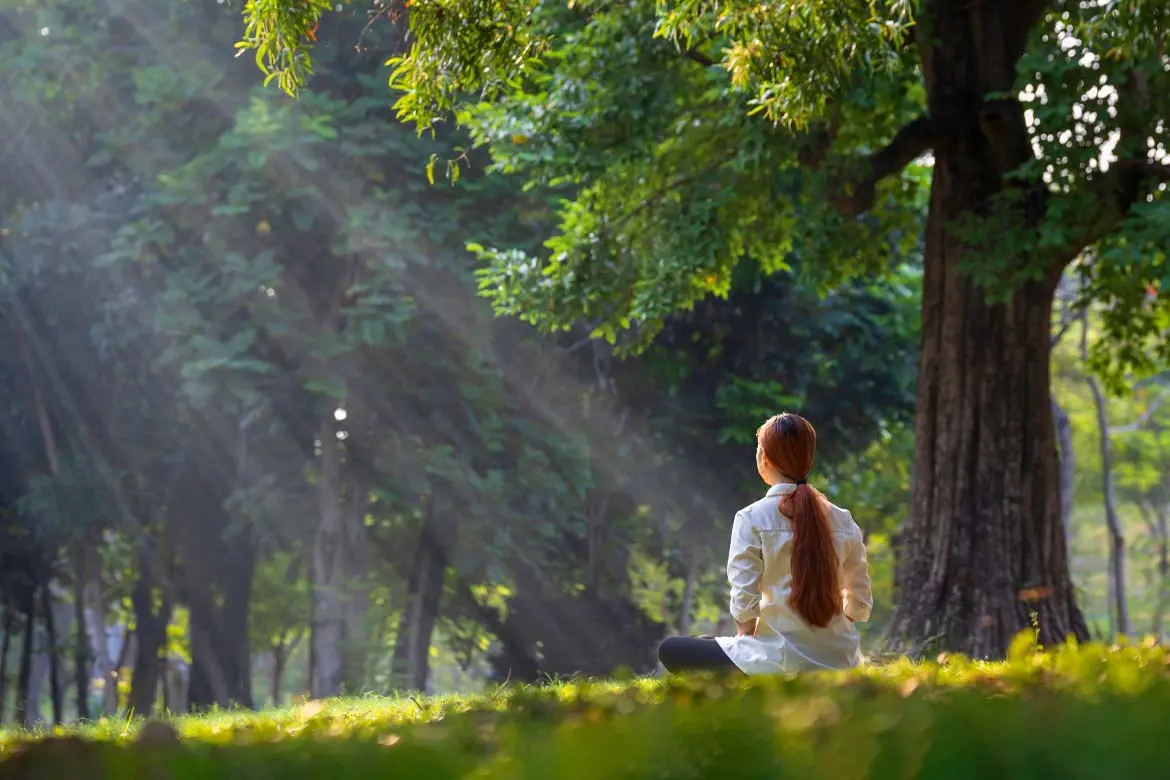
Meong pronounced “muh-uhung” is the mindfulness practice of staring at Nature. This simple yet powerful mindfulness technique is great for everyday practice. Its aim is to enter a focussed state by staring at natural things like Ocean, mountain, hills, trees or even a wall. As you stare you will enter a state of tranquility and it will wash away your worries and you will feel more mindful and will experience the same benefits as during meditation.
This practice, often associated with activities like forest bathing (Shinrin-yoku) in Japan, walking in a park, hiking, or simply sitting and observing natural surroundings, taps into our intrinsic connection with the natural world. Here are several key benefits of engaging with nature in this way:
- Reduces Stress and Anxiety: Natural environments have a calming effect, helping to reduce stress and anxiety levels. The sights, sounds, and smells of nature can trigger a relaxation response in the brain, leading to decreased cortisol levels, which is a stress hormone.
- Improves Mood: Time spent in nature can improve mood and combat feelings of depression. The natural light, vibrant colors, and serene landscapes can enhance psychological well-being and happiness.
- Enhances Cognitive Function: Exposure to nature has been linked to improved attention, cognitive function, and creativity. It can refresh the mind, leading to increased focus, creativity, and problem-solving skills.
- Boosts Physical Health: Being in nature often involves physical activity, which improves cardiovascular health, lowers blood pressure, reduces inflammation, and boosts the immune system. Even without vigorous activity, the outdoors encourages more movement than indoor environments.
- Promotes Relaxation: Natural settings promote a sense of peace and relaxation. The natural patterns, such as the sound of water or the rustling of leaves, can be particularly soothing, helping to slow down the mind and body.
- Improves Sleep: Regular exposure to natural light and outdoor activities can help regulate circadian rhythms, leading to improved sleep patterns and quality. This is particularly beneficial in the age of screens and artificial light.
- Increases Vitamin D Levels: Spending time outdoors in sunlight increases the body’s production of Vitamin D, essential for bone health, immune function, and inflammation reduction.
- Fosters Connection and Empathy: Experiencing nature can help foster a sense of connection to the earth and to other living beings, promoting empathy and a sense of belonging. This connection can also encourage environmental stewardship.
- Enhances Physical Recovery: Studies have shown that patients with views of nature from their hospital windows or who spend time in garden spaces tend to recover faster and require less pain medication than those without such access.
- Provides Psychological Restoration: The concept of “attention restoration theory” suggests that natural environments have restorative effects on the brain’s ability to focus and can replenish cognitive resources depleted by overuse in demanding tasks.
How can you practice Meong?
Choose a calm and quite place – It should be a place with minimum distraction. It can be a road, a park or even your bedroom window
Focus on your senses and the environment – Observe the smell, texture, sound and sight of your environment without any judgement
Allow yourself to be in the present – Don’t have any pre conceived notion about your experience. Just feel the present.
Start small – Start with 5-10 minutes everday and gradually increase your time.
Meong may seem very simple but it can have profound benefits to your daily wellbeing. It can also provide a great meditative experience. We hope you will make meong a part of your daily routine. Practice it and if you find it beneficial do share the practice with your family and friends.













Post Comment