Cold Exposure & Heat Therapy for Better Recovery
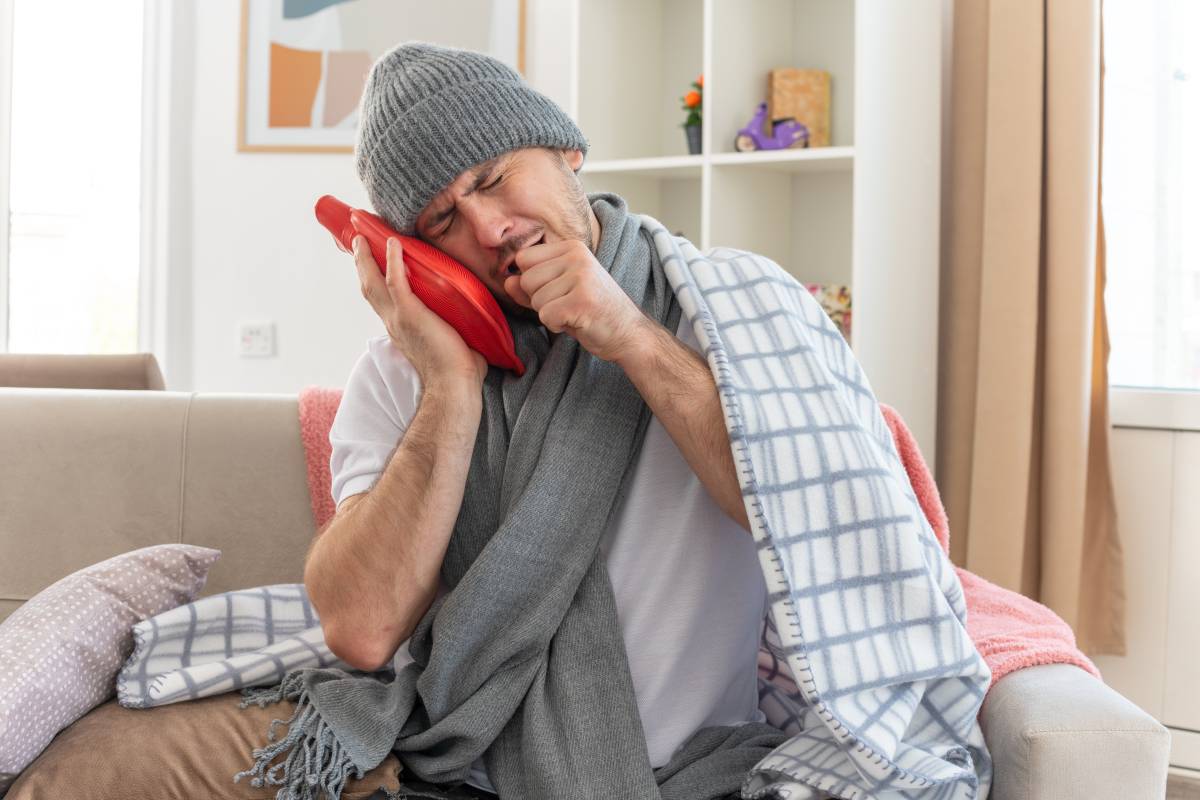
Cold exposure is one of the fastest-growing recovery trends in 2026. From professional athletes to busy professionals, people are turning to ice baths, cold plunges, and contrast therapy (alternating cold and heat) to speed up recovery, reduce inflammation, and boost overall resilience. When paired with heat therapy like saunas, the results become even more powerful.
This science-backed approach, known as contrast therapy, uses extreme temperatures to improve circulation, reduce muscle soreness, enhance mental toughness, and support long-term health. In this guide, you’ll discover exactly how to combine cold exposure and heat therapy safely and effectively for maximum recovery benefits.
Here are 12 practical strategies to help you build an effective cold exposure and heat therapy routine:
- Understanding the Science Behind Contrast Therapy Cold exposure constricts blood vessels and reduces inflammation, while heat therapy dilates them and increases blood flow. Alternating the two creates a “pump” effect that flushes metabolic waste and delivers fresh nutrients to muscles and tissues.
- Start with Short, Safe Sessions Beginners should begin with 30–60 seconds of cold exposure followed by 2–3 minutes of heat. Gradually increase time as your body adapts. Never push into discomfort that feels dangerous.
- Follow the 3:1 Ratio Rule A simple and effective protocol is 3 minutes of heat followed by 1 minute of cold. Repeat this cycle 3–4 times. This ratio is widely used by athletes for optimal recovery.
- Time Your Sessions After Workouts The best time for contrast therapy is within 30–60 minutes after intense training. This helps reduce delayed onset muscle soreness (DOMS) and speeds up recovery.
- Use Accessible Tools at Home You don’t need a fancy setup. A cold shower, ice bath in a tub, or even a bucket of ice water works for cold exposure. For heat, use a traditional sauna, infrared sauna, or a hot bath.
Cold exposure and heat therapy become even more effective when combined with a balanced lifestyle. For practical tips on fostering overall well-being while staying active in today’s demanding work environment, read this helpful guide: balancing act fostering well-being in the modern work environment.
- Incorporate Breathwork During Cold Exposure Slow, controlled breathing (such as the Wim Hof method) helps you tolerate cold better and activates the parasympathetic nervous system for deeper recovery.
- Alternate 3–4 Rounds per Session A typical beginner session lasts 15–20 minutes: 3 rounds of heat (3–5 minutes) followed by cold (1–2 minutes). End on cold to reduce inflammation.
- Use Contrast Therapy 3–4 Times Per Week Consistency matters more than intensity. Three to four sessions per week deliver noticeable improvements in recovery, sleep quality, and energy levels.
- Combine with Light Movement Gentle walking or mobility work between cold and heat rounds enhances circulation and maximizes the benefits of contrast therapy.
- Stay Hydrated and Replenish Electrolytes Both cold and heat therapy can cause fluid loss. Drink plenty of water with electrolytes before and after sessions to support recovery.
- Listen to Your Body and Adjust If you feel dizzy, overly fatigued, or experience numbness, stop immediately. Beginners should consult a doctor before starting intense contrast therapy.
Building consistent daily habits is key to long-term success with any recovery protocol. This insightful article explores the shift from occasional efforts to true continuous improvement in 2026: shift from courses to continuous learning 2026.
- Support Your Recovery with Proper Nutrition Cold exposure and heat therapy work best when paired with the right nutrition. Focus on anti-inflammatory foods, adequate protein, and hydration. For a structured, professional-level education in diet and nutrition that supports recovery, muscle repair, and overall performance, explore this comprehensive certification: diet and nutrition coach certification beginner to advanced.
Sample Weekly Contrast Therapy Schedule
- Monday: Post-workout contrast session (20 minutes)
- Wednesday: Morning sauna + cold plunge (recovery focus)
- Friday: Evening contrast therapy after training
- Sunday: Light 15-minute session for active recovery
Expected Benefits After 4–6 Weeks
- Faster muscle recovery
- Reduced inflammation and soreness
- Better sleep quality
- Improved mood and mental resilience
- Enhanced circulation and cardiovascular health
Cold exposure combined with heat therapy is a simple yet powerful way to accelerate recovery and build long-term resilience. Start small, stay consistent, and listen to your body. Within a few weeks, most people notice significant improvements in how they feel, perform, and recover.
Your body is designed to adapt. Give it the right stimulus through contrast therapy, and it will reward you with faster recovery, more energy, and greater resilience.











Post Comment