Achieving Peak Performance: A Comprehensive Guide

In today’s fast-paced world, the pursuit of peak performance isn’t just for elite athletes or top executives—it’s a mindset and lifestyle anyone can adopt to excel in their personal and professional lives. Peak performance refers to operating at your highest potential, where focus, energy, and output align seamlessly to produce extraordinary results. Whether you’re an entrepreneur grinding through deadlines, a student preparing for exams, or an athlete training for competition, achieving this state requires a holistic approach blending mindset, habits, physical well-being, and environmental optimization.
This guide draws from proven principles in psychology, neuroscience, and high-performance coaching to provide actionable steps. By implementing these strategies, you can unlock your full potential and sustain it over the long term. Let’s dive in.
Understanding Peak Performance
At its core, peak performance is about entering a “flow state,” a concept popularized by psychologist Mihaly Csikszentmihalyi. In flow, you’re fully immersed in a task, time seems to fly, and your skills perfectly match the challenge at hand. Research shows that flow boosts productivity by up to 500% and enhances creativity and satisfaction.
But peak performance isn’t accidental—it’s engineered. It involves balancing four pillars: mental resilience, physical vitality, habitual routines, and supportive surroundings. Common barriers include stress, distractions, poor sleep, and limiting beliefs. Overcoming these starts with self-awareness: track your energy levels, identify peak hours (often mornings for most people), and assess what’s holding you back.

Building the Right Mindset
Mindset is the foundation. Carol Dweck’s growth mindset theory emphasizes viewing challenges as opportunities rather than threats. To cultivate this:
- Set Clear Goals: Use the SMART framework (Specific, Measurable, Achievable, Relevant, Time-bound). For example, instead of “get fit,” aim for “run 5km in under 30 minutes by month’s end.”
- Practice Visualization: Spend 5-10 minutes daily imagining success. Elite performers like Michael Phelps use this to rehearse outcomes mentally, wiring the brain for real-world execution.
- Embrace Failure: Reframe setbacks as feedback. Analyze what went wrong, adjust, and move forward. Thomas Edison’s 1,000 failed attempts before the lightbulb exemplify this resilience.
- Mindfulness and Meditation: Regular practice reduces anxiety and sharpens focus. Apps like Headspace offer guided sessions to quiet the mind and enhance emotional regulation.

Neuroscience backs this: meditation thickens the prefrontal cortex, improving decision-making and impulse control. Start small— even 5 minutes a day can yield benefits within weeks.
Optimizing Physical Health
Your body is the performance vehicle. Neglect it, and everything suffers. Key elements include:
- Nutrition: Fuel with whole foods—lean proteins, complex carbs, healthy fats, and micronutrients. Avoid sugar crashes; opt for balanced meals like oatmeal with nuts and berries for sustained energy. Hydrate adequately; dehydration can impair cognition by 20%.
- Exercise: Aim for 150 minutes of moderate activity weekly, per WHO guidelines. Mix cardio (for endurance), strength training (for power), and flexibility work (for recovery). High-Intensity Interval Training (HIIT) is efficient for busy schedules, boosting metabolism and endorphins.
- Sleep: Prioritize 7-9 hours nightly. Quality sleep consolidates learning and repairs the body. Establish a routine: dim lights an hour before bed, avoid screens, and maintain consistent wake times.
- Recovery Techniques: Incorporate rest days, foam rolling, or yoga to prevent burnout. Tools like wearable trackers (e.g., Whoop or Fitbit) monitor recovery metrics like heart rate variability.

Studies from the Journal of Applied Physiology show that consistent exercise enhances brain-derived neurotrophic factor (BDNF), promoting neuroplasticity and better performance under stress.
Developing Effective Habits
Habits automate success. James Clear’s Atomic Habits teaches building them through cue, craving, response, and reward. Strategies include:
- Habit Stacking: Link new habits to existing ones. After brushing teeth, do 10 push-ups.
- The 2-Minute Rule: Scale habits down—want to read more? Start with 2 pages.
- Tracking Progress: Use journals or apps to log daily wins. This reinforces dopamine hits and builds momentum.
- Eliminate Distractions: Batch check emails/social media to protect deep work sessions. Tools like Freedom block sites during focus periods.
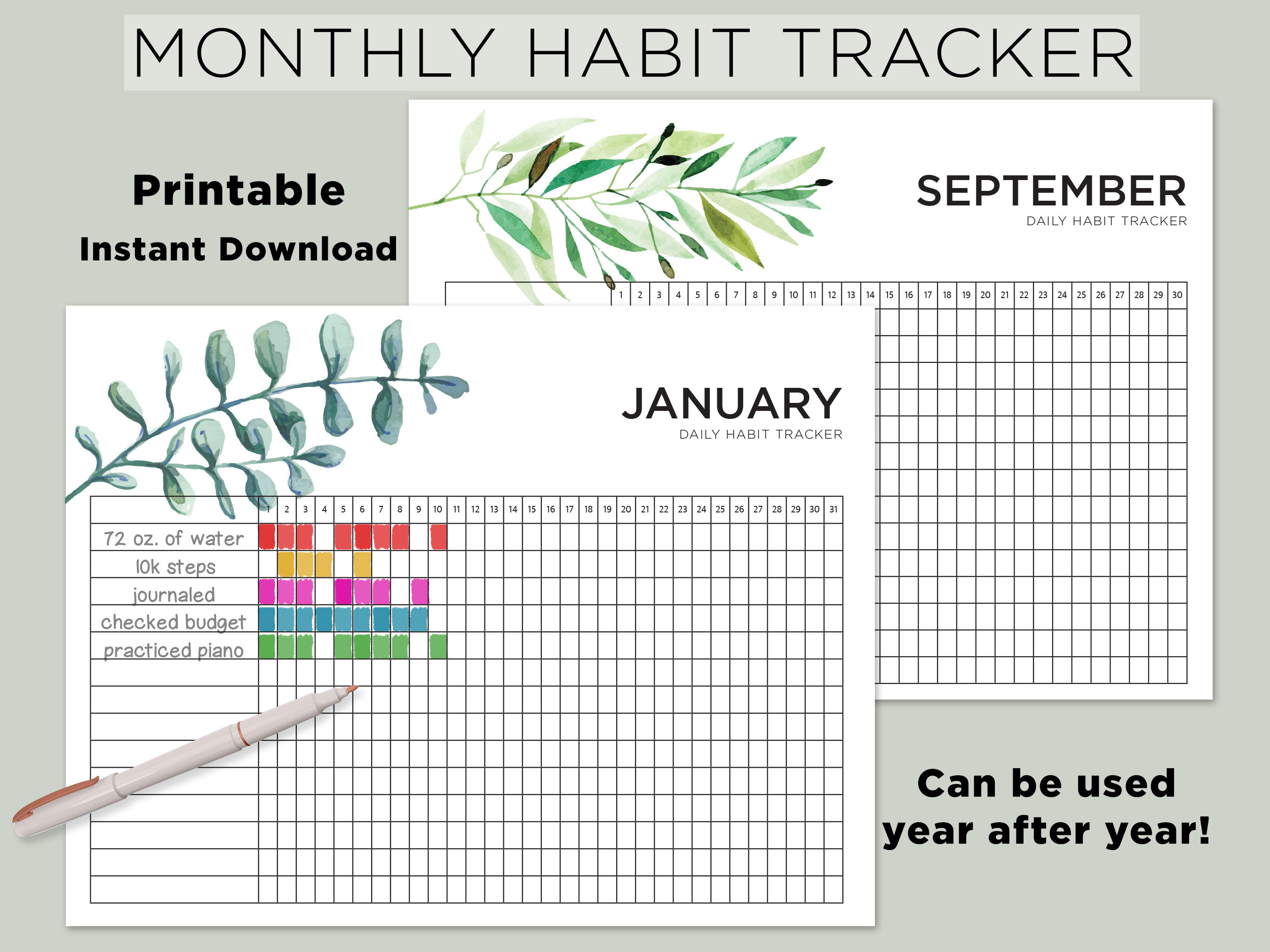
Consistency trumps intensity; small daily actions compound over time, leading to exponential gains.
Creating an Optimal Environment
Your surroundings influence output. Design them for success:
- Workspace Setup: Ergonomic chairs, standing desks, and proper lighting reduce fatigue. Position monitors at eye level to prevent strain.
- Minimize Clutter: A tidy space promotes a clear mind. Marie Kondo’s method—keep only what sparks joy—applies here.
- Ambient Factors: Use natural light, plants for air quality, and noise-cancelling headphones for focus. Background music (e.g., lo-fi beats) can enhance concentration for some.

Optimize your workspace like these setups to boost productivity and reduce physical strain. Social environment matters too—surround yourself with motivators, not drainers. Join communities or masterminds for accountability.
Advanced Strategies for Sustained Performance
To go beyond basics:
- Periodization: Cycle intense efforts with recovery, like athletes do with training seasons.
- Biohacking: Experiment with intermittent fasting, cold showers, or nootropics (consult professionals first).
- Continuous Learning: Read books like The Talent Code by Daniel Coyle or listen to podcasts from Tim Ferriss for cutting-edge insights.
- Measurement and Adjustment: Use metrics like output trackers or mood journals to refine your approach iteratively.
Remember, peak performance is sustainable, not a sprint. Avoid overtraining; listen to your body.
Conclusion
Achieving peak performance is a journey of intentional choices. Start by auditing your current state, then layer in mindset shifts, physical optimizations, habits, and environmental tweaks. Progress may be gradual, but the rewards—greater fulfillment, success, and vitality—are profound.
What area will you tackle first? Share in the comments, and let’s build a community of high achievers. For more insights, explore related resources or consult a coach tailored to your goals. You’ve got this—peak awaits! 🚀













Post Comment